★
★ 4.6Kid-friendly
€
Old Town
Colorful historic center rebuilt after WWII and now the city’s most vibrant area.
⏱ 2 hours✦ Summer
Oldtown
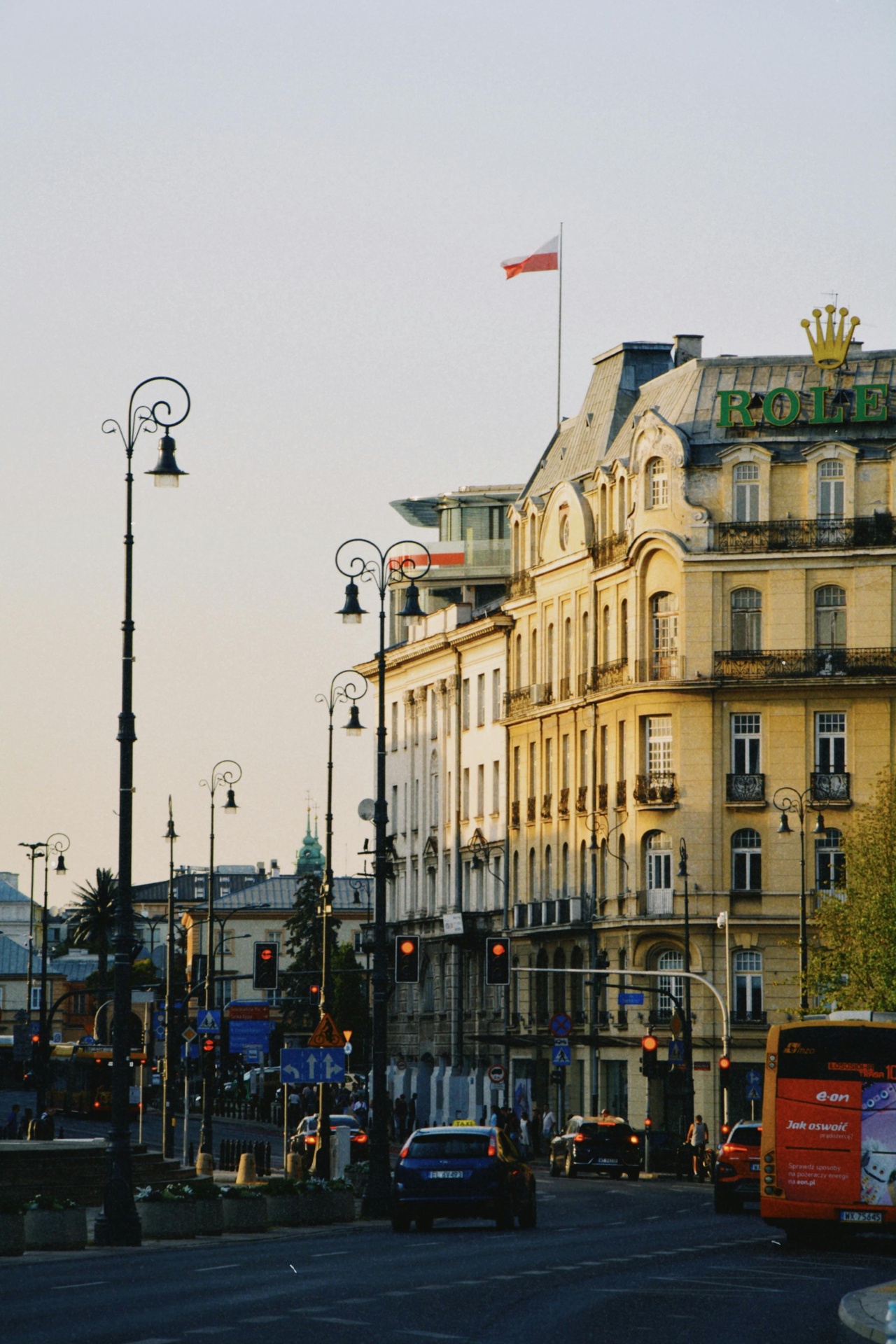
Rich traditions, historic cities, and a strong cultural spirit
Poland offers lively cities, historic towns, and scenic landscapes. Warsaw mixes modern towers with restored old streets, while Kraków impresses with medieval squares and cultural depth. Mountains in the south and lakes in the north provide great outdoor escapes.
Historic port city on the Baltic Sea.
Cultural heart with medieval old town.
Charming city with bridges and squares.
Rebuilt capital blending old and modern.
Colorful historic center rebuilt after WWII and now the city’s most vibrant area.
Hilltop royal complex overlooking the Vistula River and the symbol of Kraków.
One of the largest medieval squares in Europe, surrounded by colorful buildings and cafés.
Stalin era skyscraper with an observation deck offering the best views in Warsaw.
Poland keeps the złoty (PLN). Card is widely accepted; withdraw from bank ATMs (PKO, mBank) to avoid Euronet fees.
Hand the tip with cash or specify the total to the card terminal — “dziękuję” when paying often means “keep the change”.
Trams and buses in Warsaw, Kraków and Gdańsk need a ticket validated on board. Use the Jakdojade app to plan and pay.
Auschwitz-Birkenau and the Warsaw Uprising sites are places of mourning. Quiet behaviour, no selfies, no food.
Polish vodka is served neat, ice-cold, in small glasses with food. “Na zdrowie!” — down it, don't sip.
Communist-era cafeterias still serve pierogi, soups and cutlets for 15–25 PLN. Cash, fast queues, fantastic value.
Polish filled doughnuts traditionally eaten during celebrations.
Open baguette topped with mushrooms, cheese and ketchup.
Hearty hunter’s stew made with cabbage and meat.
Dumplings filled with meat, potatoes or cheese and served boiled or fried.
Learn simple Polish phrases. Start a free lesson now.
Start a free lesson →Schengen visa required for some nationalities.
Strong 4G/5G in cities; widely available WiFi